Why Drivers Add Paint Protection Film

Why Drivers Add Paint Protection Film

The front of a car takes a beating on a Louisville commute. Gravel off a truck on I-64, road salt through a Kentucky winter, tar in a construction zone on the Gene Snyder, and bug splatter on a summer run down US-42 all land on the same painted surfaces. Over a few years that shows up as rock chips on the hood, sandblasted paint on the bumper, and a front end that looks older than the rest of the car. Paint protection film, or PPF, is a clear, tough layer that takes the damage instead of the paint. Sun Tint installs paint protection film for drivers across Louisville and the East End, from St. Matthews and Prospect to Jeffersontown.

PPF is often called a clear bra, and the name fits. It is a virtually invisible shield over the paint, keeping the factory finish underneath while the film absorbs the chips, scratches, and stains the road throws at it.
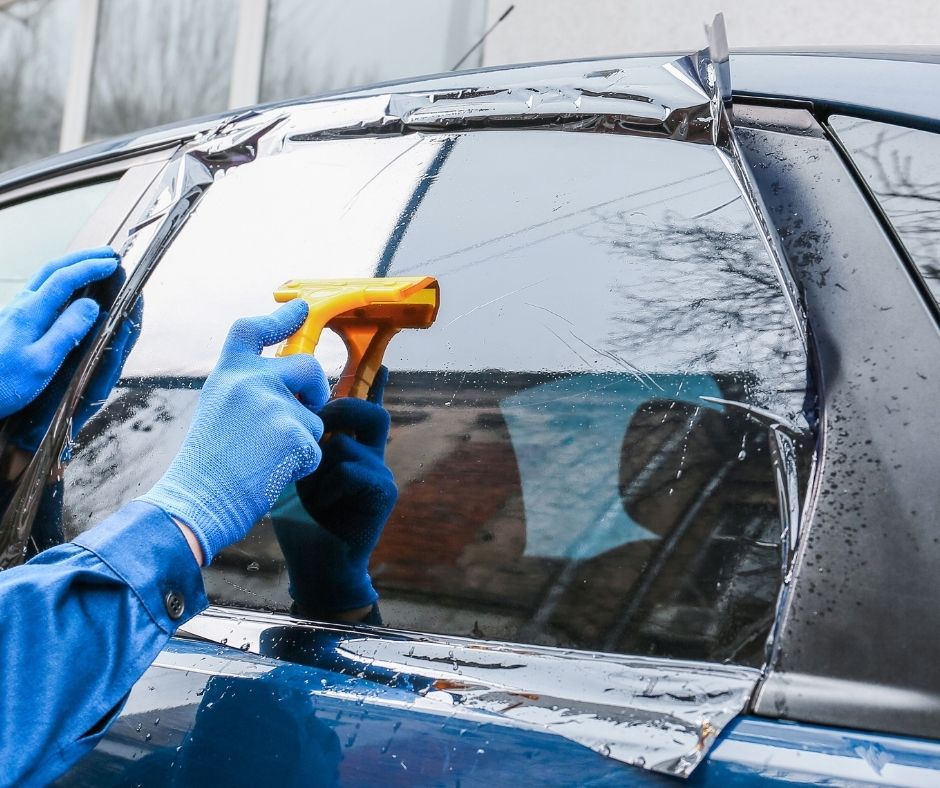
What paint protection film is made of

PPF is a thermoplastic urethane film, thicker and more elastic than window tint, engineered to take impact and abrasion. Its most useful trait is self-healing: light scratches and swirl marks in the film's top coat disappear with heat, whether from the sun or from warm water, so the surface stays clear and glossy instead of collecting a haze of fine marks. A quality film has a high-gloss finish that matches the paint and a hydrophobic surface that sheds water and makes the car easier to clean. Because it is clear, the car looks stock, just protected.

PPF Heals Light Scratches

Paint protection film is a thermoplastic urethane whose top coat is engineered to self-heal with heat, so light scratches and swirl marks in the film disappear under sun or warm water rather than accumulating as a permanent haze.

Salt and Chips Do the Damage

Road salt, gravel, tar, and bug residue are among the most common causes of front-end paint damage, and a urethane film absorbs those impacts and chemicals so they never reach the factory clear coat underneath.

A Clear Bra Stays Invisible

Quality paint protection film has a high-gloss, optically clear finish that matches the paint, so it protects the leading edges of a vehicle while keeping the car looking stock rather than adding a visible layer.


Social Media

What it protects against

PPF is built for the specific hazards a front end faces. It absorbs rock chips and road debris that would otherwise gouge the paint, resists the light scratches and swirl marks from washing and daily use, and shields against bird droppings, tree sap, road salt, and tar, all of which can etch or stain an unprotected finish. It also blocks UV that oxidizes and fades paint over years of sun. For a Louisville driver, the winter salt and the highway gravel are the two hazards PPF earns its keep against most.

Coverage that matches the car and the budget

PPF is sold in packages sized to how a car is used. A partial front-end install covers the leading edge of the hood, the front fenders, the bumper, and the mirrors, the highest-impact zones that take most of the damage, and it is the most popular choice for a daily driver. A full front-end install extends the film across the entire hood and fenders for complete coverage of the front. A full vehicle wrap in PPF protects every painted surface, which suits luxury, exotic, collector, and high-value vehicles where preserving the finish matters most. Sun Tint helps match the coverage to the vehicle, the driving, and the budget.

The install is where quality shows

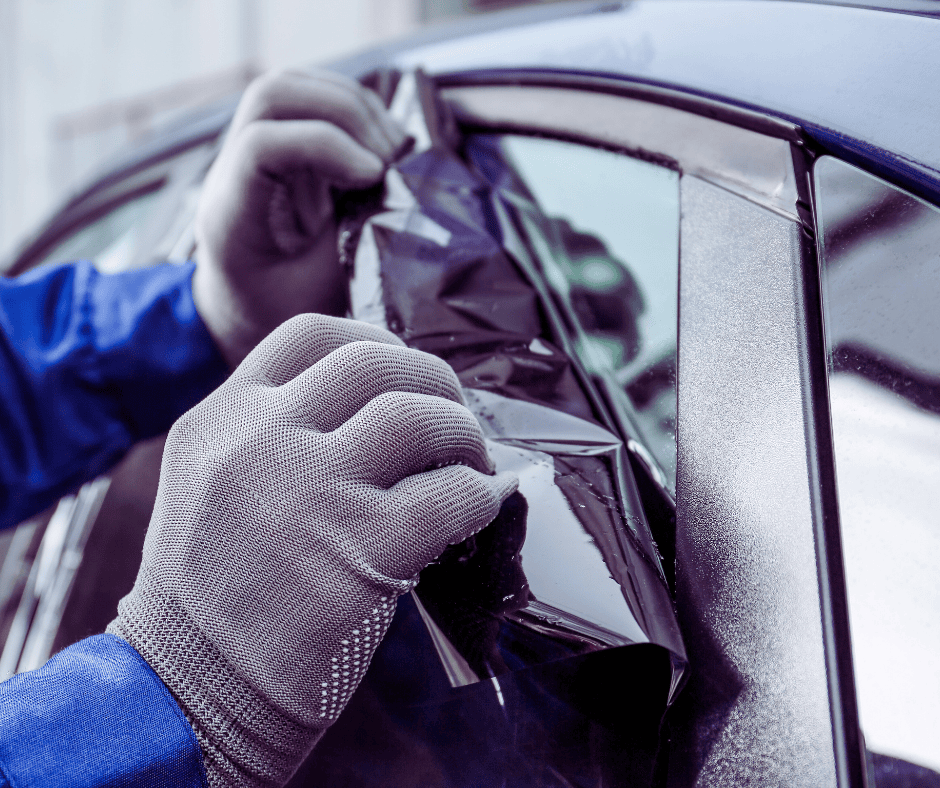
PPF is a precise job. A proper install starts with a full vehicle assessment and a walkaround that notes any existing chips or scratches, then a thorough surface cleaning and paint prep so the film bonds to a flawless surface. Emblems and some trim are removed so the film can wrap cleanly to the edges rather than stopping short. The film is cut from computer patterns for an exact fit, applied panel by panel, and the trim and emblems are reinstalled, followed by a quality check and a final walkthrough with care instructions. The difference between PPF that looks factory and PPF with lifted edges is entirely in that preparation.

Living with paint protection film

PPF is low-maintenance, not no-maintenance. A pH-neutral car wash shampoo, a soft mitt instead of abrasive brushes, and avoiding waxes with dyes or solvents keep the film clear and firmly adhered. Regular washing and the occasional light polish are all it asks. Many drivers pair PPF with a ceramic coating on top, which adds a hydrophobic layer that makes the whole car easier to keep clean. Sun Tint hands over care instructions at delivery so the film performs for years.

A clear shield, installed with care

Sun Tint is a local, family-owned company with over 40 years of experience across Louisville and Southern Indiana, installing premium multi-brand paint protection film with precision and computer-cut patterns. The shop offers free quotes, transparent pricing, and same-week PPF availability, and can pair PPF with ceramic coating and window tint for complete vehicle protection. Whether the job is a partial front end on a commuter or full coverage on a Tesla or a collector car, the install is matched to how the vehicle is driven.

Paint protection film takes the rock chips, salt, and scratches so the factory paint underneath stays new. To protect the front end of a daily driver or wrap a high-value vehicle, call Sun Tint at (502) 254-0001 for a free PPF quote.

Redirect to:


Check our other pages :

Frequently Asked Questions

PPF absorbs rock chips and road debris, resists light scratches and swirl marks, and shields paint from bird droppings, tree sap, road salt, and tar, all of which can etch or stain an unprotected finish. It also blocks UV that oxidizes and fades paint, making it well suited to Kentucky winters and highway driving.
Yes. PPF is a thermoplastic urethane film whose top coat self-heals with heat, so light scratches and swirl marks disappear with sun or warm water and the surface stays clear and glossy. It is clear and virtually invisible, so the car keeps its factory look while the film takes the damage.
It depends on the vehicle and driving. A partial front-end package covers the highest-impact zones, the hood edge, fenders, bumper, and mirrors, and suits most daily drivers, while full front or full-vehicle coverage suits luxury, collector, and high-value cars. Sun Tint matches the coverage to the vehicle and budget.